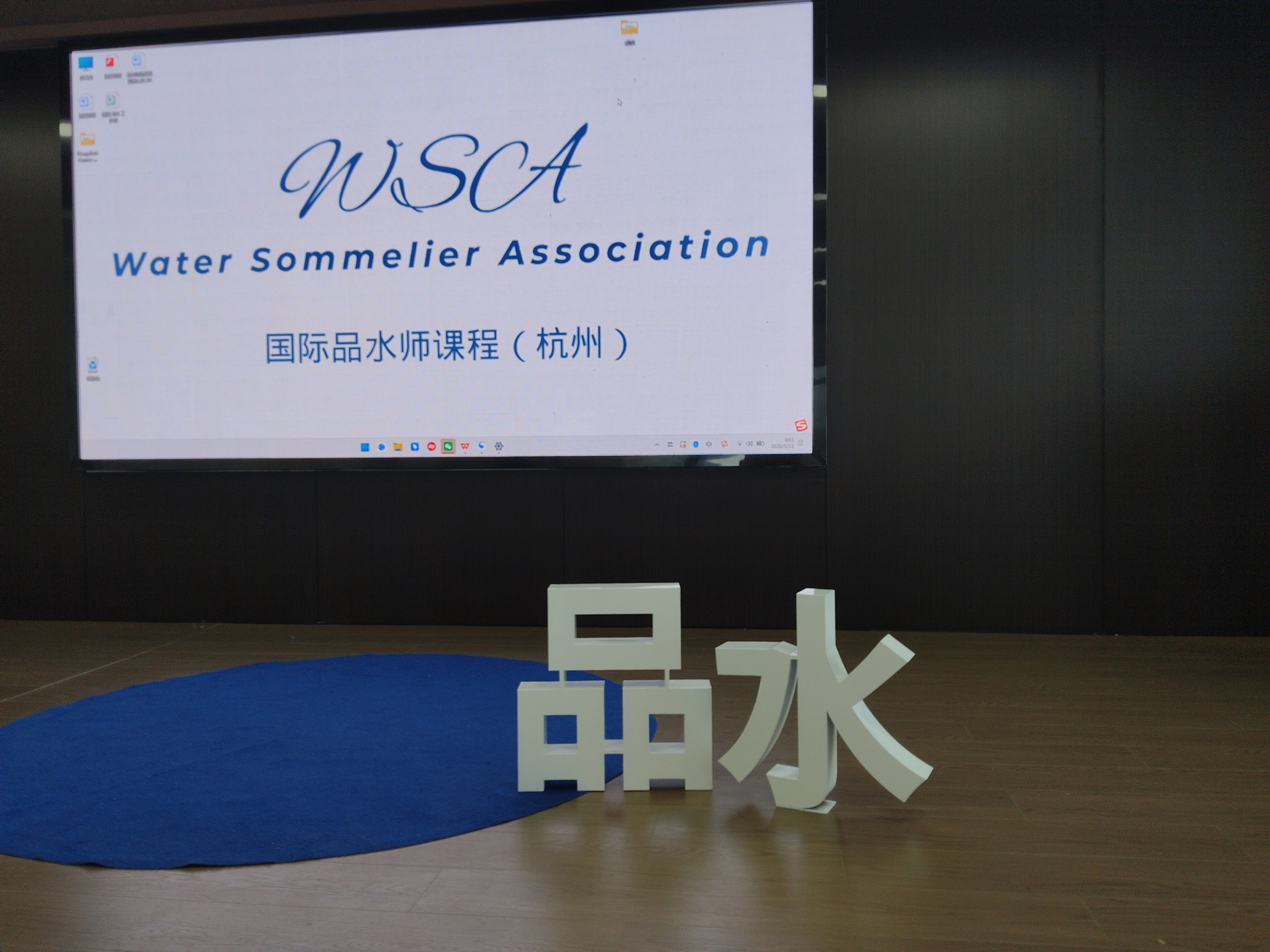

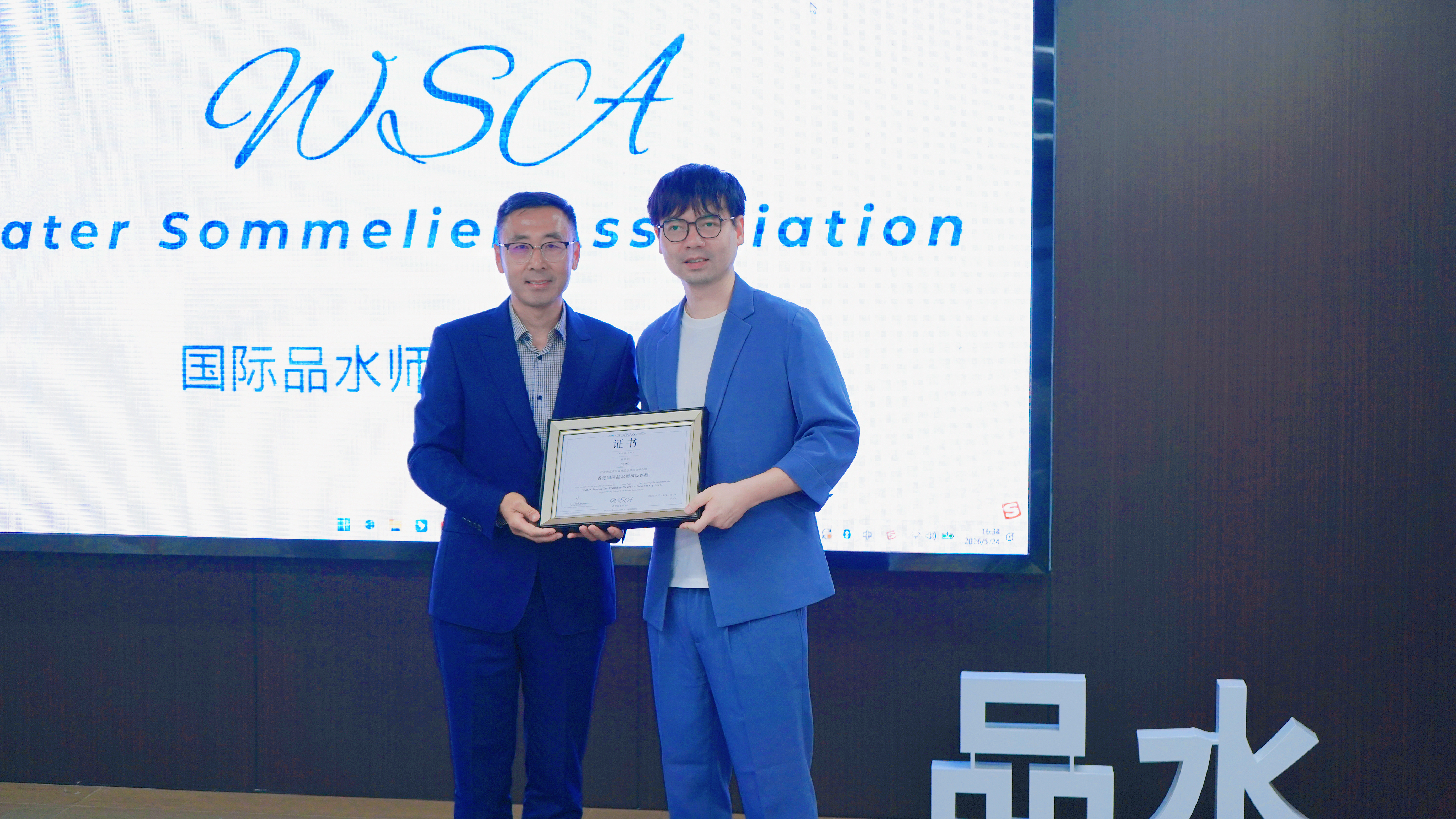
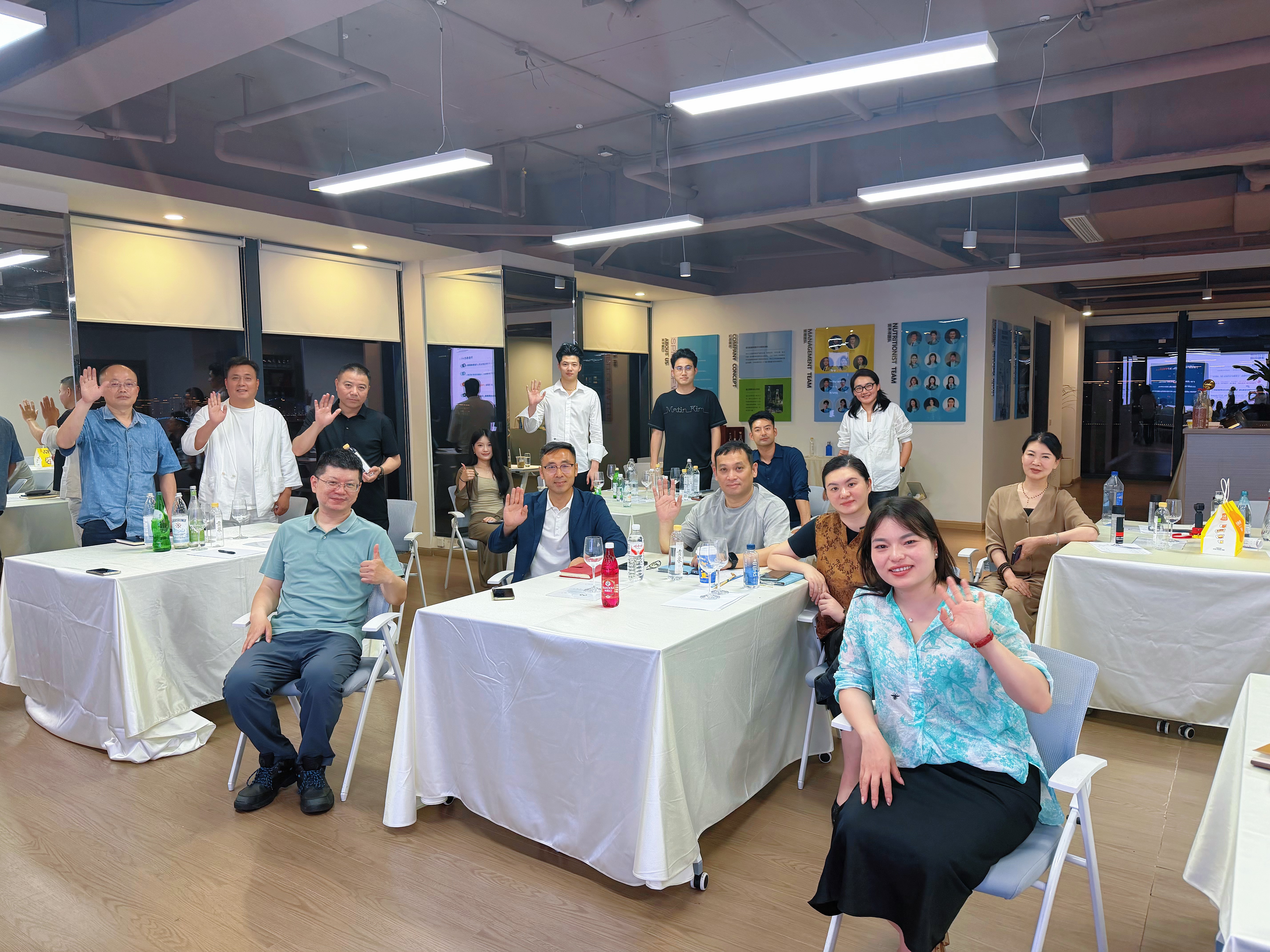
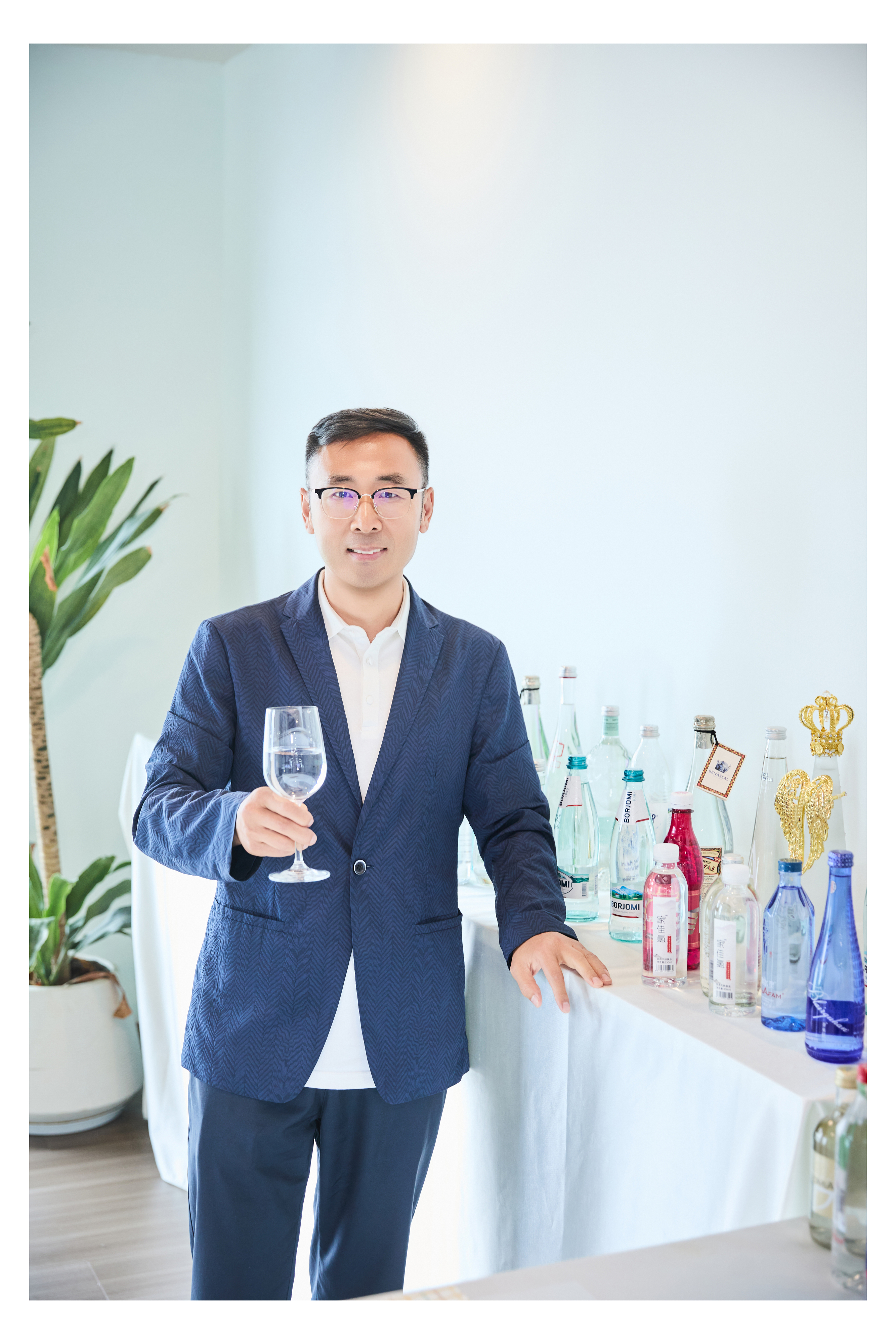
Last week, a special “graduation ceremony” in Hangzhou sparked profound reflection — the 2nd International Water Taster Certification Course came to a successful conclusion. What the founder of Jiajia Hydrogen Water brought back was not merely a certificate, but a profound insight: Everyone can become their own water taster and live a noble life in an ordinary glass of water.Behind this statement lies the shared wisdom of Eastern and Western philosophy.
The Philosophy of Water: From Thales to Laozi
Western philosophy originated from contemplation of water. The ancient Greek philosopher Thales claimed that “all things originate from water”, regarding water as the origin and essence of the world. Heraclitus perceived the perpetual flow of running water and sighed, “You cannot step into the same river twice”, comprehending the truth of change amid the flow of water.
Eastern philosophers also gained profound insight into water. In Tao Te Ching, Laozi wrote: “The highest good is like water. Water benefits all things and does not strive.” Water’s nature of staying lowly, embracing all, being flexible and nourishing all living things has become a symbol of supreme virtue. When Confucius watched the flowing river, he perceived the philosophy of life: “Time passes just like this river, ceaselessly day and night.”
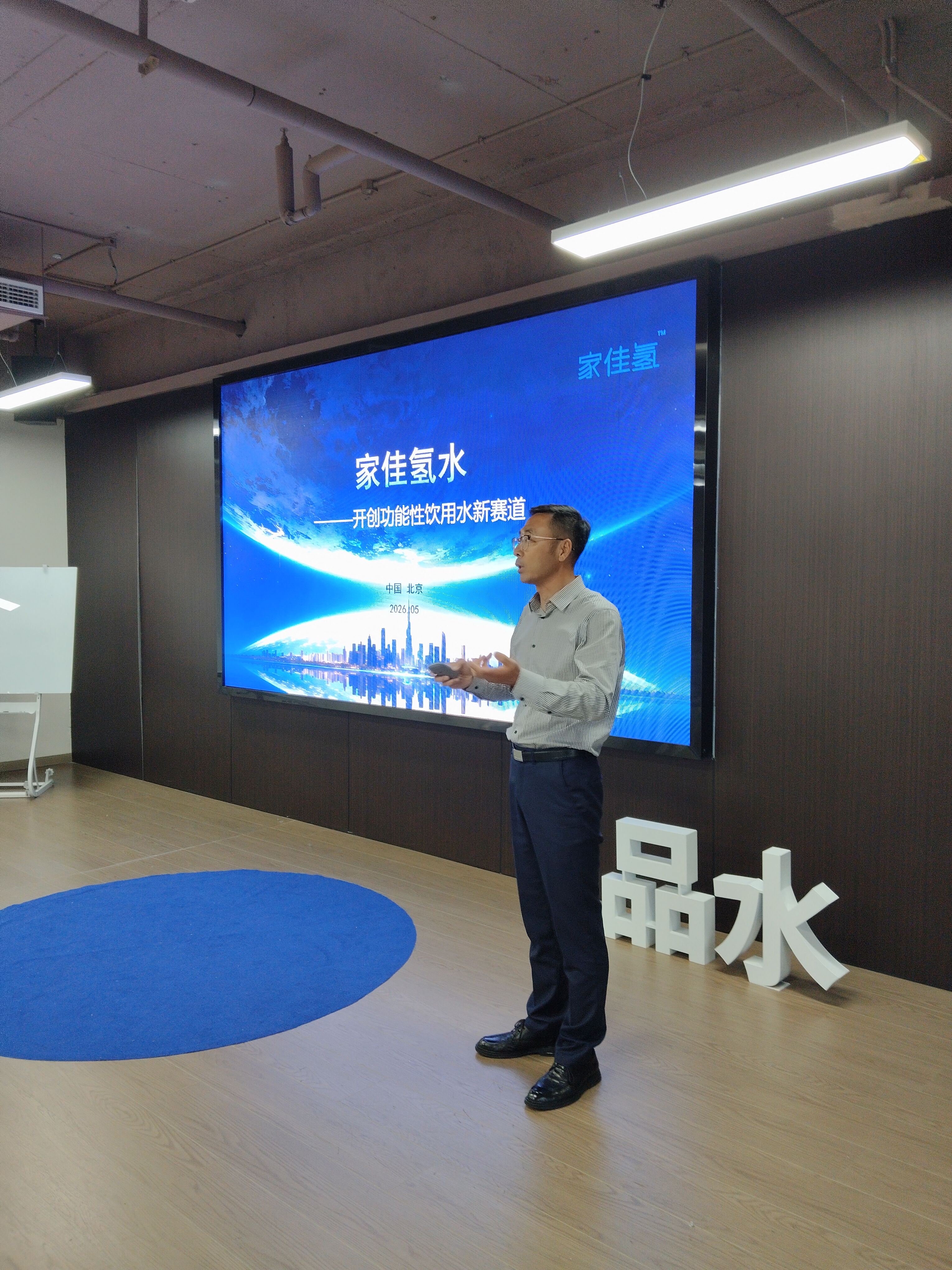
When Li Guanwei, certified international water taster, lectured on the humanistic philosophy of the Dao of Water in the course, and Zeng Li, registered Chinese dietitian and international water taster, interpreted the mineral composition of water from a scientific perspective, they were rebuilding the philosophical bond between humans and water within a professional appraisal system.
 Everyone Can Taste Water: The Aristocratic Spirit in Daily Life
“Wealth gives us the right to choose. Only by embracing reverence for life and awareness of details can we refine a wealthy life into a noble one.” This remark by the founder reveals the true essence of water tasting.
Water tasting is not merely about evaluating quantifiable indicators such as TDS value, pH value and mineral content; it is an attitude towards life. Zhuangzi stated that “the Dao exists in tiles, bricks, even in trivial matters”. The true Dao resides in the most mundane things. When we taste an ordinary glass of water with mindful awareness, it becomes a medium connecting ourselves with nature.
Socrates conversed with passers-by on the streets of Athens, bringing philosophy down from the clouds into everyday life. Similarly, when we become “our own water tasters”, we transform the appraisal skill once exclusive to professionals into an accessible daily practice for everyone.
 The Right Water for the Right Life: The Wisdom of Choice
The course clarified the role of a water taster: **Choose the right water for the right people and the right purposes.** These twelve simple words embody the integration of the Eastern doctrine of the mean and the Western philosophy of moderation.
Aristotle proposed the golden mean, holding that virtue lies in the proper middle ground between two extremes. Choosing water that suits you is the embodiment of such wisdom — the most expensive is never the best; the most suitable is. Just like the Chinese philosophical concepts of “adapting to local conditions” and “suiting individual constitutions”, a truly quality life lies in making appropriate choices after fully understanding one’s own needs.
 Embark on a Life Ritual in a Glass of Water
When we begin to treat every drop of water entering our bodies with sincerity, we embark on a conscious way of living. It is not only a choice for health, but also a ritual of life.
Lu Yu, the Sage of Tea in the Tang Dynasty, elevated tea drinking to a cultural practice in *The Classic of Tea*. Likewise, daily drinking water can become a moment of inner dialogue and peace for ourselves. In the fast-paced modern world, this glass of water acts as a pause button, allowing us to maintain inner clarity and mindfulness amid hustle and bustle.
The quality of water mirrors the quality of life; the ability to taste water metaphorically represents the ability to taste life. When we learn to distinguish subtle differences in water, we also cultivate sensitivity to the details of life.
Become Your Own Water Taster: A Lifelong Practice
The holding of this water taster course has filled the gap in systematic professional training for the drinking water industry in China. More profoundly, it reminds us that professional knowledge should never be a privilege of the few, but a tool for everyone to improve the quality of life.
“The course is not the end, but a brand-new starting point for the industry to forge ahead together.” Likewise, for every individual, starting to pay attention to daily drinking water is not an end, but the beginning of a more mindful life.
When we pick up a glass of water, no longer merely to quench thirst, but able to feel its softness, sweetness and smoothness, to reflect on where it comes from and the journey it takes to reach us — we have already found extraordinary meaning in the ordinary.
Everyone can become their own water taster, because to taste water is ultimately to taste life and existence. Hidden in every glass of water is the wisdom of getting along with ourselves and the world. This is perhaps the clearest revelation left by the Hangzhou course.